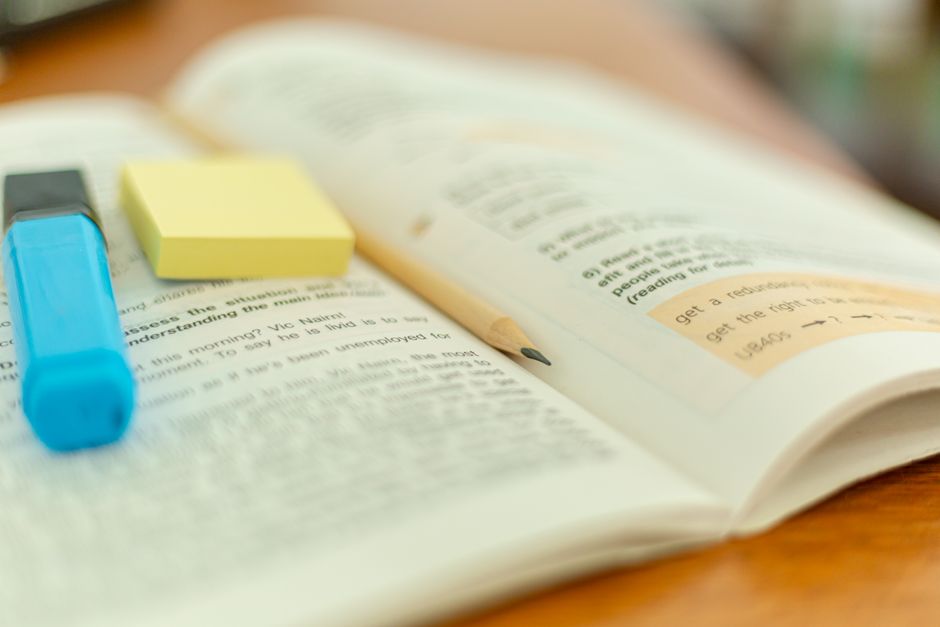
Photo by cottonbro studio on Pexels — source As the clock ticks toward bedtime, the desk is cluttered with a stack of flashcards, a notebook filled with scribbled notes, and a pen ready for action. After a long day at work, the intention to dive back into music practice is strong, but the first ten minutes often vanish in the search for the right page. Each flashcard holds a piece of the puzzle, yet they lie scattered across various tabs and pages, creating a chaotic landscape that hinders the flow of review. The process begins with clearing the desk, creating a dedicated space for focused practice. Without this initial step, the mind is easily distracted by the disarray, and the precious time slips away. The challenge lies not just in the content of the notes but in the organization of materials, which can derail even the most determined adult learner. A simple restart marker, like a clean surface and a well-placed notebook, can make all the difference in transforming intent into pro...
The materials are within reach—my notebook, a pen, and a timer—but the task ahead feels fuzzy. I flip through the pages, searching for a clear starting point, yet the restart feels daunting. What should I focus on first? The notes are open, but without a defined restart marker, it’s hard to know where to dive back in.
In moments like this, the absence of a simple check can create a bottleneck in my learning process. I realize that marking the restart point is crucial, yet I often skip this step, thinking I can jump right into practice. This oversight can lead to wasted time as I shuffle through my notes, trying to recall what I was working on before. Without it, I risk losing valuable minutes in a haze of uncertainty, making each return to my music practice less effective.
The Setup: A Familiar Scene
As I settle at my desk, the warm glow of the lamp casts a focused light over my open notebook, where my notes from previous sessions lie scattered. The pen is poised beside the pages, and a timer sits ready to help me manage my limited practice block after a long day at work.
Yet, despite this organized setup, the task ahead feels daunting. I glance at the notes, which are filled with scribbles and reminders, but without a clear restart marker, I hesitate. I know I need to pinpoint where I left off, but the absence of a defined starting point creates friction. Instead of diving in, I waste precious minutes flipping through the pages, searching for that one section that will reignite my focus. To streamline this process, I realize I must establish a simple habit: marking the last point of practice each time I finish a session. This small adjustment could transform my return to practice, making it easier to jump back into the flow and maximize my limited time.
The Overlooked Steps in Practice
A slightly different version of this problem appears in Practical Life Skills Us, where the sequence changes but the hidden drag feels familiar.
Returning to my desk after a long day, I notice the familiar glow of the desk lamp illuminating my scattered notes. Yet, as I prepare to dive back into practice, I realize I’ve overlooked a crucial step: setting a clear goal for this session. Without a defined target, I find myself drifting, unsure of what to focus on.
Choosing the right material to concentrate on is another step that often gets skipped. I flip through my notes, but instead of selecting a specific section to work on, I hesitate, overwhelmed by the options. This indecision steals valuable time and attention, leaving me feeling frustrated and unproductive. I know I should pick a small piece to work on, perhaps a few measures of a song I’ve been struggling with, but the lack of a clear restart point in my notes makes it difficult to identify where to begin.
To combat this, I decide to mark my last practice point with a simple notation in my notebook. I take a moment to draw a box around the last measure I worked on, ensuring that when I return, I can jump right back in without wasting time searching. This small adjustment not only clarifies my starting point but also helps me maintain focus on my goal for the session. However, I still find that without explicitly stating what I want to achieve today, I risk losing momentum. Establishing that goal alongside marking my restart point becomes essential to streamline my practice and make the most of my limited time.
The Restart Point: A Common Bottleneck
If this pattern keeps repeating, Learning New Skills As extends the idea without leaving the niche.
After a long day at work, I sit down at my desk, the warm glow of the lamp illuminating my scattered notes and half-finished music sheets. My notes are open, yet the specific point where I left off is unclear, leaving me feeling lost. Without a defined starting point, I struggle to transition into focused practice, wasting precious minutes just trying to figure out where to begin.
To combat this confusion, I grab my pen and draw a box around the last measure I practiced in my notebook. This simple act serves as my restart marker, creating a visual cue that clarifies my next step. However, I realize that simply marking the spot isn’t enough; I need to articulate a goal for this session. I jot down a quick note in the margin, stating, "Focus on measures 12 to 16 for rhythm practice." With my restart point and goal clearly defined, I finally feel ready to dive back into my practice block, avoiding the common trap of aimless repetition.
A Better Order for Your Practice Block
Returning to my desk after a long day, I find my notes still open under the soft glow of my desk lamp, but the exact skill I need to practice feels obscured.
Identify the specific skill to practice: Focus on rhythm for measures 12 to 16.
Set a timer for focused work: Use a 25-minute block to maintain concentration.
Mark a clear restart point in your notes: Draw a box around measure 12 to indicate where to begin.
This structured order not only clarifies my immediate task but also helps me avoid the common pitfall of wandering aimlessly through my notes. The next time I sit down, I’ll know exactly where to start and what to aim for, turning my short window into a productive moment.
What to Check Before You Start Playing
As I settle back at my desk lamp pool, the soft light illuminating my open notebook, I realize that diving into practice without a quick check can lead to wasted time. My notes are scattered, and the specific skill I need to focus on isn’t immediately clear. This is a common pitfall for adult learners returning after a break: the restart point often isn’t obvious, leading to frustration and aimless practice.
Before I even pick up my pen, I take a moment to ensure everything is organized. I flip through my notes to confirm they’re in the right order, with the most recent practice session clearly marked. Next, I set my timer for a focused 25-minute block; this creates a sense of urgency and helps me avoid distractions. Finally, I glance around my workspace to make sure it’s free of clutter—my phone is silenced, and the door is closed. With these checks complete, I can confidently mark measure 12 in my notes and know I’m ready to engage with my practice block effectively. What Changes When You Follow the Sequence? Returning to my desk after a long day, I notice the familiar pool of light from my desk lamp illuminating my notes. I can’t dive in without a clear starting point. Instead of flipping through pages aimlessly, I grab my pen and mark measure 12 in my notebook as my restart point. This small action immediately clarifies my focus and gives me a tangible goal.
With my timer set for 25 minutes, I’m now ready to engage. Each note I review feels more anchored, and the clarity from marking that restart point allows me to efficiently use my limited time. I can see the progress I made last week, and I can build on it instead of feeling lost in the material. This simple adjustment not only enhances my retention of the learned material but also transforms my practice block into a productive session, where I can actually feel the improvement in my playing.
As I finish the first block, I realize that this organized approach reduces the friction I often experience when returning to my studies. Instead of feeling overwhelmed, I’m now able to transition smoothly into the next measure. The act of marking my restart point has turned a previously daunting task into a manageable one, allowing me to maintain momentum in my learning.
As I sit at my desk, the warm glow from the lamp illuminates my open notebook filled with notes from previous sessions. Yet, despite the materials being in front of me, I can’t shake the feeling of uncertainty about where to begin. This is the hidden friction many adult beginners face: the restart point isn’t always obvious. Without a clear marker, it’s easy to feel overwhelmed and unsure of how to dive back into practice.
To combat this, I take a moment to clearly mark my restart point in the notes—perhaps a simple star next to the last concept I was working on. This small action not only clarifies where I left off but also serves as a visual cue to guide my focus.