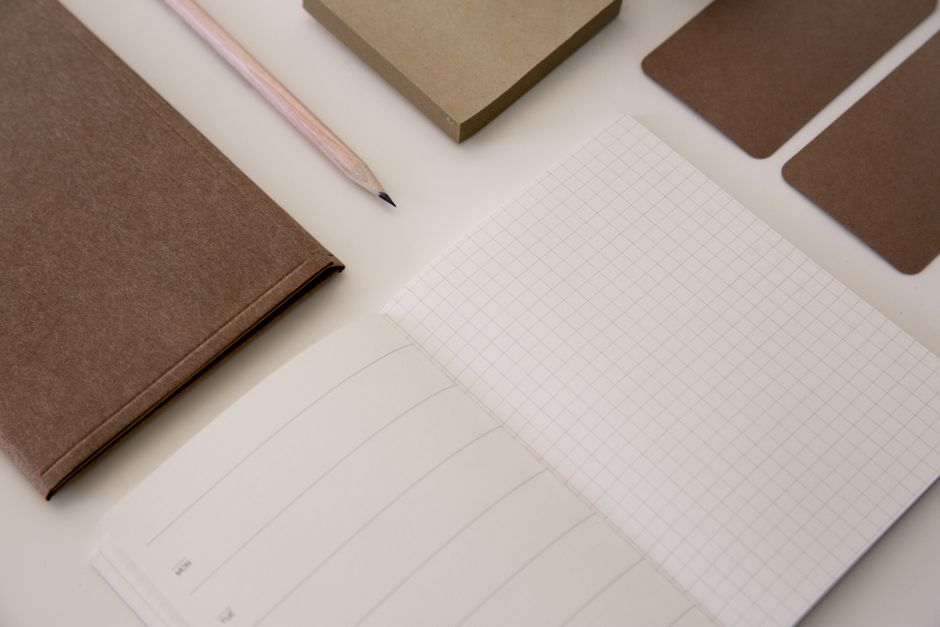
Photo by cottonbro studio on Pexels — source As the clock ticks toward bedtime, the desk is cluttered with a stack of flashcards, a notebook filled with scribbled notes, and a pen ready for action. After a long day at work, the intention to dive back into music practice is strong, but the first ten minutes often vanish in the search for the right page. Each flashcard holds a piece of the puzzle, yet they lie scattered across various tabs and pages, creating a chaotic landscape that hinders the flow of review. The process begins with clearing the desk, creating a dedicated space for focused practice. Without this initial step, the mind is easily distracted by the disarray, and the precious time slips away. The challenge lies not just in the content of the notes but in the organization of materials, which can derail even the most determined adult learner. A simple restart marker, like a clean surface and a well-placed notebook, can make all the difference in transforming intent into pro...
It's 8:15 PM, and the desk lamp casts a warm circle of light over a cluttered desk, where a notebook lies open next to a pen. The notes from last week's lesson are scattered across the pages, filled with reminders and practice patterns, but the phone buzzes softly nearby, a constant temptation. As the student flips through the pages, the urge to scroll through social media creeps in, turning what should be a focused review into aimless browsing.
This familiar scene highlights a common pitfall: the lack of preparation before diving into practice. With the phone within reach, the student fails to clear the desk of distractions, leaving the notebook open but the mind wandering. Instead of reviewing one specific page of notes to reinforce learning, the session drifts into random scrolling, diluting the effectiveness of the time spent. A simple check, like ensuring the notebook is ready with a clear page before settling down, can make a significant difference in maintaining focus and getting back on track.
The First Step That Gets Skipped
The desk is cluttered, a chaotic mix of sheet music, scribbled notes, and a half-empty coffee cup, all illuminated by the warm glow of a desk lamp. As the clock ticks towards 9 PM, the adult learner knows they have only a brief window to focus on music practice after a long day at work. But the phone lies within arm's reach, its notifications a constant siren call, ready to pull attention away from the task at hand.
With the notebook open to a page filled with last week’s practice patterns, the learner hesitates, flipping through scattered notes. This moment illustrates a common mistake: failing to prepare the workspace before starting. A quick, effective check would be to clear the desk of distractions, ensuring only the notebook and a pen are within reach.
Before settling in, a simple action can set the tone for the session: placing one clear page of notes at the forefront, ready for review. This small adjustment can help anchor the mind, making it easier to resist the urge to scroll.
A Small Drift in Focus
The notebook lies open, revealing a jumble of hastily scribbled notes and practice exercises. The desk lamp casts a warm glow, but the adult learner's attention is already wavering. Just as they prepare to dive into reviewing last week's scales, a notification buzzes from the phone resting nearby. With a quick glance, curiosity pulls them into a rabbit hole of social media scrolling, and the intention to practice begins to slip away.
As the minutes tick by, the learner realizes that their review material is scattered across multiple pages, leading to confusion about where to begin. The lack of organization makes it easy to lose track of progress. To counter this, a simple yet effective action could be to set aside a single, clear page of notes at the forefront before the session starts, ensuring it's the only thing in view. This adjustment not only helps clarify what to focus on but also serves as a visual cue to resist distractions. The phone, while tempting, becomes a secondary concern, as the learner finds themselves more engaged with the structured notes in front of them.
This same friction shows up again in Learning New Skills As, especially when the day tightens unexpectedly.
What Happens When Review Turns Random
The desk lamp casts a warm glow over scattered notes, but the real distraction is the phone, resting just within reach. As the learner sits down for a quick review session after a long day, the temptation to check social media proves too strong. Instead of focusing on the scales they intended to practice, they find themselves scrolling through a feed, losing track of time.
This shift from review to random scrolling leads to wasted minutes that could have been spent solidifying skills. Frustration builds as they realize that the practice block is slipping away, and the notes—once a source of clarity—become a blur of unorganized thoughts. With each minute spent online, the intended focus on music fades further, leaving behind a sense of defeat. To regain control, it would help to clear the desk of distractions and place a single, clear page of notes in front of them, ensuring that the focus remains on the material rather than the phone. This simple adjustment could serve as a powerful reminder of the goal and help steer the session back on track.
One Page Ready Before the Session
Returning to the desk after a long day can feel daunting, especially when the phone sits just out of reach, a constant temptation. This page should be placed directly in front of your notebook, illuminated by the soft glow of the desk lamp, creating a visual anchor that draws your attention back to your music practice.
Before diving in, set a timer for 25 minutes. This short, focused block helps limit distractions and keeps your mind centered on the task at hand. As the timer ticks down, glance at your prepared notes rather than your phone. If you find your attention drifting, remind yourself that each minute spent scrolling is a minute taken away from solidifying your skills. This simple act of preparation not only clears the clutter from your desk but also establishes a routine that reinforces your commitment to learning.
In this way, the act of reviewing becomes a structured practice block rather than a chaotic drift into random scrolling. The notes transform from mere scribbles into a roadmap for your session, guiding your attention and reinforcing your learning goals.
What to Check Before the Phone Takes Over
If this pattern keeps repeating, Practical Life Skills Us extends the idea without leaving the niche.
The clutter of old coffee cups and scattered papers can easily pull your focus away from your notebook. Clear everything off the surface, leaving only your notebook, a pen, and perhaps a timer. This small act of preparation creates a dedicated space for your music practice, signaling to your mind that it’s time to concentrate.
Next, consider the placement of your phone. Instead of keeping it within arm's reach, put it in another room. With your phone out of sight, you’re more likely to engage deeply with your notes.
Before you dive into reviewing, ensure that one page of your notebook is open to the material you plan to focus on. This way, as soon as you start your timer, you’re not wasting time flipping through pages or searching for your last practice point. When you see your notes ready and waiting, it creates a mental cue that helps you stay on track.
These small adjustments create a routine that can stick. Each time you clear the desk and hide the phone, you reinforce the habit of prioritizing your music learning.
If your phone is still within reach, it’s all too easy for a quick scroll to derail your focus. Instead, take a moment to place your phone in another room before you sit down.
As you prepare to dive into your notes, ensure that one page is already open to the material you intend to review. This small step eliminates the frustration of flipping through pages, allowing you to jump right into your practice block. By keeping your desk clear and intentionally setting up your space, you cultivate an environment that supports your learning.