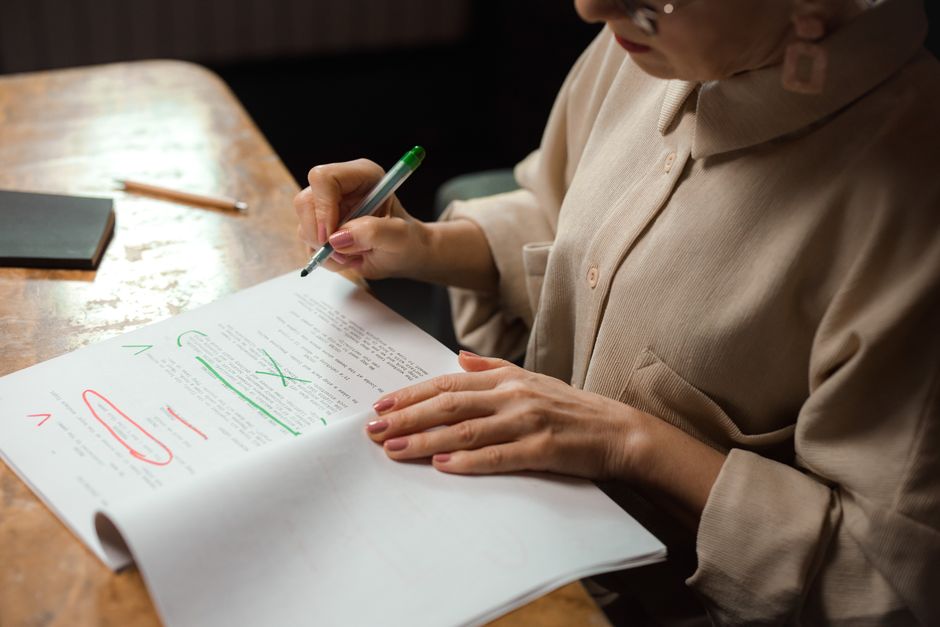
Photo by jessica olivella on Pexels — source As the desk lamp casts a warm glow over the scattered notes and a well-worn notebook, the adult learner settles into a chair after a long day. With the right page open, the intention is clear: focus on specific scales and chord progressions. Yet, as the phone buzzes softly within reach, the temptation to check notifications looms large, threatening to derail the concentrated effort. Opening the notebook, the learner flips through pages filled with scribbled reminders and practice logs. The initial plan to dive into a targeted practice block quickly shifts as the mind wanders. Instead of honing in on the planned exercises, the review habit morphs into random scrolling through social media, pulling attention away from the music. This shift not only disrupts the flow but also highlights a missed check—the importance of setting boundaries around distractions. Without a clear focus, the session risks becoming a series of fragmented attempts rath...
As the clock ticks toward 8 PM, the desk is cluttered with a stack of flashcards, a well-worn notebook, and a pen that has seen better days. The intention is clear: to practice a few scales and review some newly learned concepts. However, as the pages of notes are flipped open, the task feels fuzzy, lacking a specific focus. The beginner finds themselves drifting toward browsing through random exercises instead of honing in on a clear practice block.
With the timer set for just 30 minutes, the challenge lies in avoiding the common pitfall of letting practice sessions become unfocused. The flashcards are meant to serve as a quick reference, yet they can easily lead to distractions if not anchored to a specific goal. A crucial step often missed in these moments is preparing the right page in the notebook beforehand. When that page is already open, the beginner can dive straight into the material, but without this small check, the practice risks becoming a vague exploration rather than a productive session.
The Setup: Intentions vs. Reality
The desk is a familiar sight: scattered notes, a half-empty water glass, and a stack of flashcards waiting to be utilized. This clutter signals a readiness to dive into a practice session, but it also hints at the chaos that can unfold when time is limited. With only 30 minutes to spare after work, the pressure mounts to make every moment count. The intention is clear—practice scales and review concepts—but as the beginner sits down, the reality often diverges from that plan.
As the notes are flipped open, the beginner faces a common pitfall: the task feels fuzzy and unfocused. Instead of honing in on specific exercises, the temptation arises to browse through random notes or exercises, diluting the effectiveness of the session. This is where a small but crucial step comes into play: ensuring the right page in the notebook is open before starting. If the beginner takes a moment to prepare, laying out the specific notes or exercises intended for the session, they can dive straight into the material. Without this preparation, the session risks devolving into a vague exploration, where the flashcards serve as distractions rather than tools for focused practice.
In this environment, the clutter can create a mental fog. The water glass, while a reminder to stay hydrated, becomes another object vying for attention. Each minute wasted flipping through pages or deciding what to practice feels like a lost opportunity. A simple checklist could help streamline the process: open the notebook to the right page, gather the flashcards, and set the timer. By establishing this small routine, the beginner can transform the chaotic setup into a more productive practice block, ensuring that intentions align more closely with reality.
The First Step That Gets Skipped
After a long day at work, the desk is cluttered with flashcards, a half-open notebook, and a pen that has rolled out of reach. When the time comes to practice music, many adult learners dive in without a clear focus. Instead of honing in on specific exercises, they often find themselves sifting through a jumble of notes and materials, which can lead to confusion and a lack of direction.
A crucial step that frequently gets overlooked is opening the right page in the notebook before starting. Without this simple action, the beginner may spend precious minutes flipping through pages, trying to remember which exercise to tackle first. This not only steals time but also fragments attention, as the mind wanders to unrelated tasks or past notes. A better approach is to take a moment to prepare: gather the flashcards, open the notebook to the intended exercise, and set a timer for focused practice. By establishing this small routine, the practice session can transform from a broad and unfocused endeavor into a targeted and efficient block of time.
This same friction shows up again in Learning New Skills As, especially when the day tightens unexpectedly.
A Better Order for the Same Five Minutes
Returning to your desk after a long day at work can feel like a race against time. You have just five minutes before dinner, and the temptation to scroll through your notes without a plan is strong. Instead of diving into a sea of flashcards and scattered notes, take a moment to refine your approach. Start by picking up your flashcard stack and reviewing just a couple of them for two minutes. This quick exercise will help narrow your focus, reminding you of key concepts or techniques that need attention.
Once those two minutes are up, open your notebook directly to the page where you’ve outlined the specific exercise you want to tackle. This small but crucial action eliminates the time wasted flipping through pages, which often leads to distraction. If your notes are open but the task feels fuzzy, it’s likely because you skipped this step. By having the right page ready, you can dive straight into practice without losing momentum. Set a timer for the remaining three minutes to keep yourself accountable. This structured approach transforms those fleeting moments into a productive practice block rather than an unfocused browsing session.
What Changes Next: The Result of a Cleaner Sequence
If this pattern keeps repeating, Practical Life Skills Us extends the idea without leaving the niche.
After a long day, sitting at your desk with a stack of flashcards and an open notebook can feel daunting. However, when you approach your practice session with a clearer focus, the experience shifts dramatically. Instead of feeling overwhelmed by the breadth of material, you can concentrate on a specific exercise that aligns with your current goals. This clarity transforms what could be a chaotic browsing session into a productive practice block.
To set this up effectively, take a moment to prepare your notebook before you even sit down. Open it to the page where you’ve written down the exercise you want to tackle, ensuring it’s ready for you to dive in. This simple act eliminates the time spent flipping through pages, which often leads to distractions. If your notes are open but the task still feels fuzzy, it’s likely because you skipped this crucial step. With the right page ready, you can start your timer for a focused five-minute practice session.
As you engage with the material, you’ll notice a shift in your motivation. Completing even a short, focused practice session allows you to experience a sense of accomplishment. You’re not just checking off a box; you’re actively reinforcing what you’ve learned. This structured approach means that each session builds on the last, making your learning feel more cohesive and less fragmented. The next time you sit down, you’ll be more likely to continue this practice, knowing that clarity leads to progress.
If your flashcard stack is nearby but your notes remain closed, you’re already setting yourself up for distraction. Instead, take a moment to open your notebook to the right page before you sit down. This small action can significantly sharpen your focus and direct your energy towards the specific exercise you want to tackle.
As you settle in with your materials ready, set a timer for five minutes. This structured approach transforms your practice from a vague idea into a concrete task. You’ll find that this simple check not only clarifies your intention but also helps you stay engaged, ensuring that the essential parts of learning music as an adult beginner don’t slip away in the chaos of a crowded day.