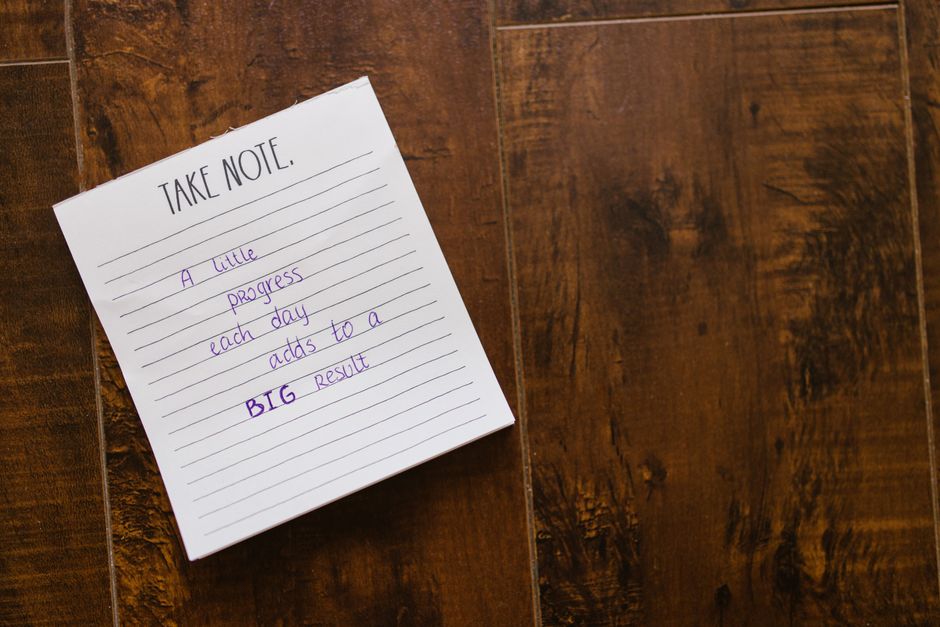
Photo by jessica olivella on Pexels — source As the desk lamp casts a warm glow over the scattered notes and a well-worn notebook, the adult learner settles into a chair after a long day. With the right page open, the intention is clear: focus on specific scales and chord progressions. Yet, as the phone buzzes softly within reach, the temptation to check notifications looms large, threatening to derail the concentrated effort. Opening the notebook, the learner flips through pages filled with scribbled reminders and practice logs. The initial plan to dive into a targeted practice block quickly shifts as the mind wanders. Instead of honing in on the planned exercises, the review habit morphs into random scrolling through social media, pulling attention away from the music. This shift not only disrupts the flow but also highlights a missed check—the importance of setting boundaries around distractions. Without a clear focus, the session risks becoming a series of fragmented attempts rath...
It’s 8:30 PM, and the desk is cluttered with a stack of flashcards, a notebook filled with hastily scribbled notes, and a pen that has seen better days. The phone, resting just within reach, buzzes with notifications, a constant temptation that threatens to pull focus away from the task at hand.
As I sit down, I realize that without a clear plan, reviewing the material might easily turn into random scrolling through social media instead of focused practice. This simple action can help me establish a boundary between my learning and the distractions that lurk nearby. If I don’t set this up right, the review habit I’m trying to build could easily drift into chaos, making it harder to regain momentum as an adult beginner in music.
The First Step That Gets Skipped
It’s 9 PM, and I’ve only got a short window before bed to refocus on my music practice. The phone, resting just to the right of my notebook, vibrates intermittently with notifications, a constant reminder of the distractions that threaten to derail my efforts. I know that without a clear start, I risk slipping into mindless scrolling instead of engaging with my materials.
Before diving into the review, the first step should be clearing the desk. I take a moment to push aside the clutter and set my flashcards in a neat stack, placing my notebook open to the page I need. With the timer set for 20 minutes, I can focus on a specific review target—today, it’s the chord progressions I’ve been struggling with. However, the phone remains within arm's reach, and I can feel the pull to check it. If I don’t actively resist this temptation, I know that the review could easily turn into a random dive into social media, wasting precious time and energy.
The act of clearing the space not only organizes my materials but also mentally prepares me for focused practice. Each flashcard represents a small victory, and I can’t afford to let distractions steal that momentum.
When the Routine Begins to Slip
This same friction shows up again in Practical Life Skills Us, especially when the day tightens unexpectedly.
I sit at my desk, surrounded by scattered notes and a half-opened notebook, but my mind is still in a fog. Instead of diving into the specific chord progressions I had planned to review, I find myself scrolling through my phone. The notifications buzz like a siren, tempting me to drift away from focused practice. I know that if I don’t set a clear target, this session could easily turn into a mindless scroll through social media.
To get back on track, I need to create a more structured environment. First, I push aside the clutter on my desk—old receipts and random papers—to clear a space. I stack my flashcards neatly and open my notebook to the relevant page, setting a timer for 20 minutes. This small act of organization not only helps me locate my materials quickly but also signals to my brain that it’s time to focus. However, with my phone within arm's reach, I feel the pull of distraction. If I don’t actively resist the urge to check it, I know that I risk losing the momentum I’ve built.
As I settle into the review, I realize that without a specific target, my practice is at risk of becoming unfocused. I remind myself of the chord progressions I’ve struggled with, but the temptation to scroll is strong. Just one quick check can easily lead to several minutes lost, and I can’t afford that. The act of clearing my desk was a crucial first step, but now I must also commit to putting my phone out of reach, ensuring that my practice session remains productive and intentional.
A Better Order for the Same Five Minutes
A slightly different version of this problem appears in Learning New Skills As, where the sequence changes but the hidden drag feels familiar.
The notes I need are buried beneath a pile of papers, and my phone lies temptingly close. I know that without a clear setup, my focus will drift, making it harder to regain the momentum I had built before. To counter this, I start by clearing my desk, pushing aside anything that doesn’t relate to my music practice. With a clean surface, I can see my notebook and flashcards clearly, which makes the task feel more manageable.
Next, I decide to set a timer for just five minutes. This short duration feels achievable, especially after a long day of work. I place my phone in a drawer to eliminate the temptation to check notifications. With my materials organized and the timer set, I open my notebook to the page with the chord progressions I’ve been struggling with. I focus on just one progression during this block, reminding myself that the goal is not to cover everything but to solidify what I’ve learned. As the timer counts down, I can feel the pressure to stay on task, and I find that the limited time actually sharpens my focus. If I had left my phone out, I know I would have been tempted to scroll through social media, losing precious minutes that could have been spent practicing.
By creating a distraction-free zone, I can concentrate on the music without the usual interruptions. I realize that even a brief five-minute session can be productive if I set it up correctly.
What to Check Before the Phone Takes Over
After a few missed sessions, I find myself back at my desk, ready to dive into music practice. The flashcards are stacked neatly beside my notebook, but the phone is still within reach, a potential distraction lurking just out of sight. To avoid the trap of random scrolling, I take a moment to set a clear review target: I’ll focus solely on the chord progressions I’ve been struggling with. This specificity helps me resist the urge to drift into other topics.
Before I start my practice block, I place my phone in a drawer, out of sight and out of mind. This small adjustment makes a significant difference; it’s easier to stay focused when I’m not glancing at notifications. I set a timer for ten minutes, which creates a sense of urgency and structure. With my materials organized and the timer ticking down, I open my notebook to the designated page. Instead of trying to tackle everything, I commit to just one progression, allowing myself to really absorb it.
As I practice, I notice that the limited time actually sharpens my focus. I’m more engaged with the music, and I can feel the progress happening in real-time. This simple act of clearing the desk and setting boundaries around my phone leads to a more productive session. The next time I sit down to practice, I’ll remember to check my setup first: clear the desk, set a specific target, and keep distractions at bay.
The phone, often just out of reach, can easily turn a focused review into random scrolling. To counter this, I make it a habit to clear my desk before starting. I place my notes, pen, and a timer within arm's reach, creating a dedicated space for my music practice. This simple act sets the stage for a more intentional session.
As I settle in with my flashcard stack, I remind myself to set a specific review target—perhaps just one chord progression or a few measures of a piece. With the timer ticking, I find that this focused approach not only helps me stay engaged but also transforms my practice into a more meaningful experience. Each time I return, I’ll check that my setup is ready: desk cleared, target set, and distractions minimized, ensuring that I can truly dive back into my learning.