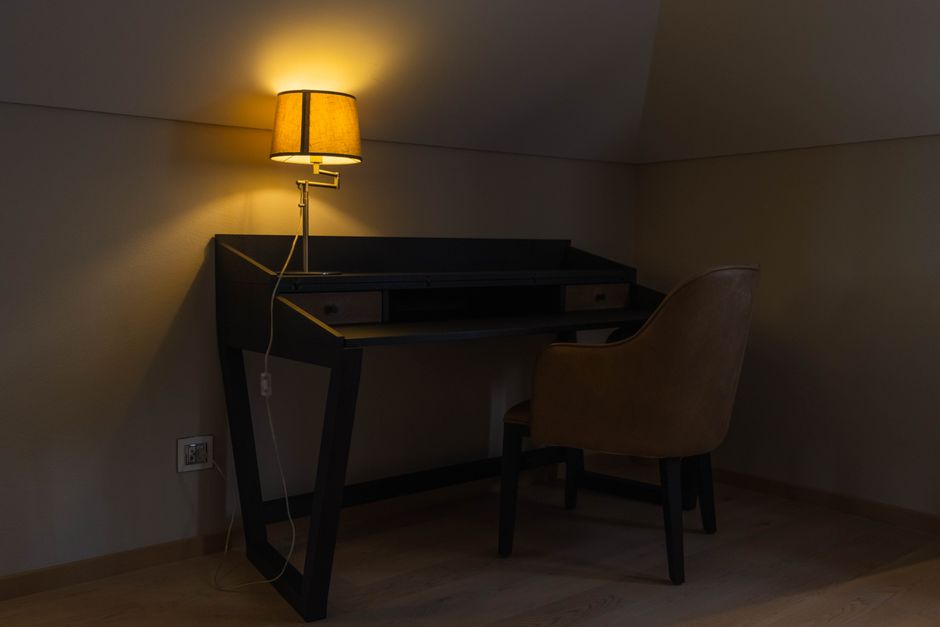
Photo by jessica olivella on Pexels — source As the desk lamp casts a warm glow over the scattered notes and a well-worn notebook, the adult learner settles into a chair after a long day. With the right page open, the intention is clear: focus on specific scales and chord progressions. Yet, as the phone buzzes softly within reach, the temptation to check notifications looms large, threatening to derail the concentrated effort. Opening the notebook, the learner flips through pages filled with scribbled reminders and practice logs. The initial plan to dive into a targeted practice block quickly shifts as the mind wanders. Instead of honing in on the planned exercises, the review habit morphs into random scrolling through social media, pulling attention away from the music. This shift not only disrupts the flow but also highlights a missed check—the importance of setting boundaries around distractions. Without a clear focus, the session risks becoming a series of fragmented attempts rath...
Why Learning Music As Adult Beginner Starts to Drift After a Few Busy Days
Photo by Nicholas Derio Palacios on Pexels — source
At the desk, the flashcard stack sits neatly beside an open notebook, its pages filled with hastily scribbled notes from previous sessions. After a week of missed practice, the thought of restarting feels daunting. The clock ticks down the minutes before bedtime, leaving just enough time for a quick review session. Picking up a pen, I glance at the notes, but the restart point isn’t obvious. I flip through the pages, searching for where I left off, but my mind drifts toward the endless scrolling of social media instead of focusing on the music theory I intended to revisit.
Without a designated point to jump back in, the temptation to veer off course grows stronger. The flashcards, meant to reinforce learning, become a distraction rather than a tool. Recognizing this friction is crucial; it’s not merely about finding time to practice but about creating a structure that supports consistent learning.
The Setup: A Quick Return to Notes
I pull the notebook closer, its pages filled with my earlier attempts at grasping music theory, but the restart point isn't immediately clear. The flashcard stack sits nearby, a reminder of what I need to review, yet it beckons me into a rabbit hole of random scrolling instead of focused practice.
To combat this drift, I take a moment to mark the restart point. I flip to a fresh page in the notebook and jot down the date and my intended focus for the session: "Review chord progressions and flashcards." This small act of preparation transforms my approach. Now, I can glance at my notes and see exactly where I left off, instead of wandering aimlessly through my previous scribbles. The timer on my phone buzzes softly, reminding me to stay on track. With a clear objective in mind, I can dive back into practicing without the usual distractions pulling me away from my goal.
The Forgotten Steps in Your Practice Routine
A slightly different version of this problem appears in Practical Life Skills Us, where the sequence changes but the hidden drag feels familiar.
The notebook lies open, filled with jotted notes and half-formed thoughts, but my eye catches a page that feels like a dead end. Without a clear restart point, I risk losing focus, and the temptation to scroll through my phone for distractions looms large.
Before I can lose my momentum, I grab a pen and flip to a fresh page. I write down today’s date and my specific goal: "Review chord progressions and flashcards." This simple act of marking the restart point is crucial; it gives me a clear objective and a way to track my progress. I also take a moment to glance at my previous notes, which helps me remember where I last struggled.
However, I often overlook the step of physically arranging my materials before I start. I pull the flashcards closer and set a timer for 25 minutes, a practice block that feels manageable yet productive. By having everything within reach, I eliminate the friction of searching for materials mid-session, which could easily lead to distractions. As I settle in, I realize that skipping these preparatory steps can steal my attention and time, leaving me frustrated and unproductive.
With my notes open and my flashcards ready, I feel a sense of purpose. The timer buzzes softly, and I’m reminded to stay focused. Each chord progression I review builds my confidence, and I know that by taking these small but significant steps, I’m making my return to music learning more effective and less daunting.
The Five-Minute Bottleneck: Rebuilding Context
If this pattern keeps repeating, Learning New Skills As extends the idea without leaving the niche.
Sitting at my desk, I notice my flashcard stack slightly askew, a visual reminder of the last time I practiced. The notes I scribbled in my notebook are still open, but the specific chord progressions I intended to revisit seem lost in the shuffle.
To combat this, I grab a pen and make a quick note at the top of the page: "Restart Point - Review Chords A and B." This simple act of marking where I left off not only clarifies my focus but also sets a clear direction for my session. I then set a timer for 25 minutes, knowing that having a defined endpoint will help me stay on track and prevent my mind from drifting into random scrolling on my phone.
As the timer ticks down, I pull the flashcards closer, flipping through them to refresh my memory. This tactile engagement with my materials helps solidify my focus. However, if I skip the step of organizing my notes and flashcards beforehand, I risk losing momentum. The clutter on my desk can easily shift my attention away from the task at hand, leading me to waste precious minutes trying to find the right materials. By ensuring everything is in order before hitting start, I create a smoother transition into my practice block.
Ultimately, the bottleneck isn’t just about finding the right materials; it’s about re-establishing my context. Each time I neglect this step, I delay my progress and deepen the gap between sessions. The next time I sit down, I’ll remember that the first few moments can either set me up for success or lead to a frustrating drift away from my goals.
A Better Order for Your Practice Session
I sit at my desk, a stack of flashcards on one side and my notebook open to a blank page on the other. The clock is ticking down on my limited time, and I know I need to make the most of it. Yet, without a clear starting point, I find myself drifting into random scrolling on my phone instead of focusing on my notes.
To combat this, I’ve learned to prepare one page of notes before diving into practice. I take a moment to jot down key concepts and any specific skills I want to focus on during this session. This simple act not only gives me a tangible reference but also sets a clear intention for my practice. Once I have that page ready, I grab my flashcards and begin a quick review. I flip through them, recalling definitions and techniques, which helps me transition smoothly into my practice block.
By establishing this revised order—notes first, then flashcards—I create a sequence that minimizes confusion and maximizes focus. I place my flashcard stack directly in front of my notebook, ensuring that I can easily shift from reviewing to practicing. If I skip this preparation step, I risk losing precious minutes to disorganization, which has a cascading effect on my motivation. The next time I sit down, I’ll remember that a few minutes spent organizing can significantly enhance the quality of my practice time.
What Runs More Smoothly After That
When I sit down at my desk with my notes and flashcards neatly arranged, the difference is immediate. I can clearly see my starting point, which helps eliminate that nagging uncertainty about where to begin after a break. This simple act of preparation transforms my approach from aimless scrolling through random online videos to a structured review that feeds directly into my practice.
As I flip through my flashcards, I notice that recalling definitions and techniques becomes more fluid. Instead of getting lost in the digital distractions of the internet, I can quickly transition into my practice block with a clear objective in mind. The physical act of moving my flashcard stack closer to my notebook reinforces this flow. If I had skipped this setup, I might have wasted valuable minutes scrolling through social media, which would only add to my frustration and make it harder to regain focus.
This intentional sequence—reviewing notes first, then practicing—creates a smoother learning experience. I can see the connections between concepts more clearly, and my confidence builds as I check off items on my practice list. Each small victory encourages me to keep going, reinforcing the habit of returning to my materials rather than drifting away into distractions. The next time I prepare for a session, I’ll remember that a few minutes spent organizing can significantly enhance the quality of my practice time.
Returning to music practice after a break can feel daunting, especially when the restart point isn't clear. Sitting at my desk, I often find my flashcard stack sitting next to a blank notebook, a reminder of the notes I need to review. A simple check—ensuring I have one page of notes ready before I start—can set the tone for my entire practice block.
This small action creates a clear boundary between my previous distractions and my current focus. By marking my restart point with a quick review of what I’ve learned, I can see where I left off, making it easier to pick up the pieces without feeling overwhelmed. Next time I sit down, I’ll remember to set my flashcards in front of my notebook, signaling that it’s time to engage with my music learning, not just passively scroll through content.