Learning Music As Adult Beginner
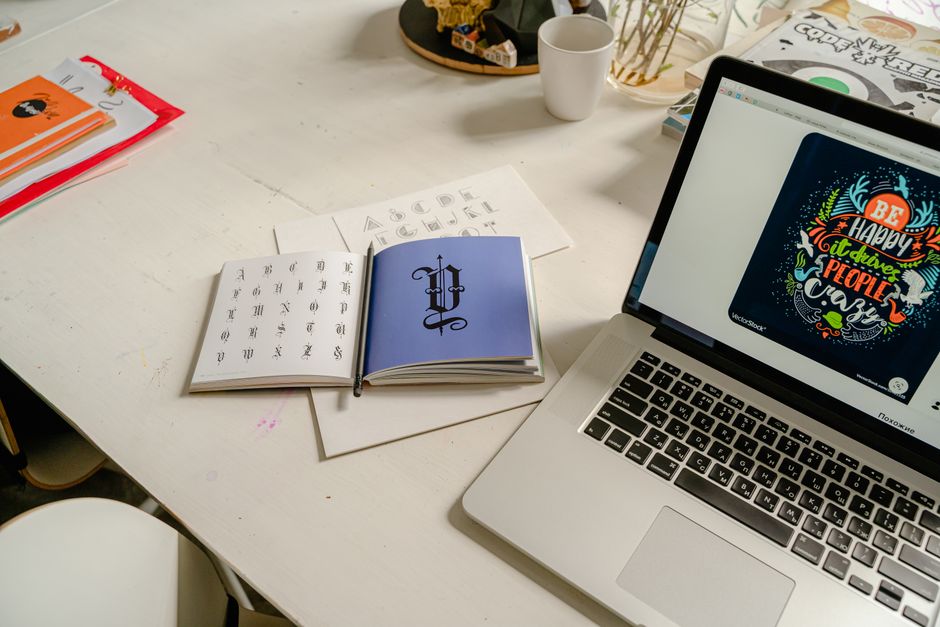
At the corner of a cluttered desk, a notebook lies open, its margins filled with hastily scribbled notes from last week’s practice session. But as the pen hovers over the page, a sense of uncertainty creeps in. What should be reviewed first? The last few measures of the song? The scales that felt shaky? This moment of indecision often leads to a broad dive into random scrolling through notes, which can derail the entire practice session.
When returning to practice after a long day, it’s easy to forget the importance of a focused review. Without a clear target, the session can quickly turn into an aimless search for familiarity, wasting precious minutes. Marking a specific restart point in the notes, such as a challenging chord progression or a particular technique, can provide a solid anchor. This small adjustment not only streamlines the review process but also sets a clear intention for what to tackle first, preventing the practice from slipping into a vague exploration of material.
The Routine That Should Work
After a long day, the adult beginner sits down with their instrument, ready to dive into practice. The first step should be a quick review of the last session's notes. But as the pen hovers over the page, an unsettling thought arises: where to start? Should it be the tricky chord progression from the song, or the scales that felt unsteady? Without a clear focus, the temptation to scroll through random notes becomes overwhelming, consuming valuable time.
To combat this, set a timer for 20 minutes and gather all necessary materials: the notebook, a pen, a bottle of water, and the instrument. Mark a specific point in the notes where practice will begin, such as a challenging section or a technique that needs improvement. This small act of preparation shifts the practice from aimless wandering to a targeted session. By establishing a clear focus, the adult learner can maximize their limited time, ensuring that each practice block is not just a repetition of past mistakes but a step towards improvement. This simple adjustment helps maintain momentum and avoids the frustration of losing track of progress.
Where the Routine Breaks Down First
If this pattern keeps repeating, Practical Life Skills Us extends the idea without leaving the niche.
The first five minutes can vanish into reorienting yourself with previous material. You sit at your desk, surrounded by a clutter of notes, and suddenly, the notifications on your phone buzz insistently. Each ping pulls your focus away, making it easy to lose track of what you intended to practice. Without a clear starting point, the practice begins to drift.
As you flip through your notebook, searching for the last section you worked on, the temptation to scroll through random notes becomes overwhelming. You might have intended to focus on a specific scale but instead find yourself lost in a myriad of unfinished thoughts and techniques. This aimless wandering not only wastes time but also disrupts your practice rhythm, leading to frustration. To combat this, take a moment to mark a clear restart point in your notes—perhaps a challenging chord progression or a specific technique that needs attention.
Next, set a timer for 15 minutes. This small action creates a boundary, nudging you to focus on that marked section without the distraction of scrolling. Gather your materials: your notebook, a pen, and your instrument, placing them within easy reach. This organized setup minimizes the chances of forgetting essential items and ensures you can dive straight into practice. By establishing a specific target and limiting distractions, you can transform a chaotic start into a focused practice block, making the most of your limited time.
Why This Failure Becomes a Pattern
This same friction shows up again in Learning New Skills As, especially when the day tightens unexpectedly.
With only twenty minutes before dinner, the urgency can lead to a hasty review of your material. Instead of diving into a specific exercise, you scroll through your notes, hoping to find a starting point. This aimless wandering not only eats into your precious time but also creates a disconnect from where you left off during your last session.
Inconsistent review habits compound the problem. Without a clear marker in your notes—like a highlighted chord progression or a specific technique to focus on—it's easy to lose context. The temptation to check your phone for messages or social media notifications can further derail your concentration. To counter this, take a moment to mark a clear restart point in your notebook's margin before you begin. Write down one specific goal for this session, like mastering a tricky scale. This simple act of preparation, combined with setting a timer for your practice, transforms a chaotic start into a more structured and focused block of time. The hidden cause of your practice faltering lies in these rushed moments, where clarity gets sacrificed for speed, leading to a frustrating cycle of lost focus. A Quick Correction to Anchor Your Practice Before diving into your practice session, take a moment to ground yourself with your notes. This brief pause can transform your approach. Use a pen to mark a clear restart point in the margin—perhaps a highlighted chord progression or a specific technique you were working on. This visual cue will help you regain focus quickly, preventing the drift that often occurs when you start too broadly.
- Review the last notes for two minutes to refresh your memory.
- Set a specific, small goal for the session, like mastering a single measure or chord progression.
- Use a timer to keep the session focused and minimize distractions.
By implementing this quick check before you begin, your next practice block becomes more intentional. With your goal in mind and a timer set, you can dive straight into the material without wasting precious time on random scrolling or wandering thoughts. This structured approach not only enhances your learning but also makes each session feel more productive, even in short time frames.
A Quick Check That Prevents More Drift
Often, the first slip in a crowded day happens when you sit down to practice without a clear direction. Instead of flipping through pages aimlessly, locate the last marked point in your notes. This could be a specific exercise or a chord progression you intended to master. By identifying this point, you create a visual anchor that helps refocus your mind.
Set a timer for just two minutes to review the material leading up to that mark. This quick check reinforces what you’ve learned and prepares you for the next steps. If you find yourself scrolling through random notes, it’s a sign that your session is too broad. Instead, aim for one specific goal, like nailing a particular measure or technique.
What Changes Once That Fix Repeats
Instead of fumbling through pages, you can dive straight into the material you need. This small adjustment transforms your practice from a chaotic search into a focused effort. When you sit down at your desk, the first action is to open your notebook to the marked page, which serves as a clear starting line.
With just two minutes spent reviewing the previous material, you reinforce your memory of the last exercise. This quick session not only refreshes your mind but also sets a defined target for your next block. You might find yourself aiming to perfect a specific chord progression or rhythm pattern rather than getting lost in random notes. As a result, your practice becomes more efficient, allowing you to make tangible progress even in short time frames.
Instead of drifting into scrolling through unrelated notes, you’re actively engaged with your chosen material. This creates a sense of accomplishment that carries over into subsequent practice sessions. The difference is clear: a targeted approach leads to more productive use of your limited time, making each moment at your desk count.
When the practice routine starts to feel overwhelming, the first thing to slip is often that critical moment of review before diving into new material. Instead of opening your notebook to a specific page, you might find yourself scrolling aimlessly through notes, losing focus on what you intended to work on. This lack of direction can lead to wasted time, making it harder to build on previous skills and diminishing the satisfaction of progress.
To counter this, take a moment to mark a clear restart point in your notebook. This small action not only gives you a tangible target but also helps you avoid the trap of random exploration. By setting this intention, you ensure that even in short practice blocks, your time is spent effectively, keeping your learning on track.