The Setup Shift That Makes Notebook Easier to Repeat
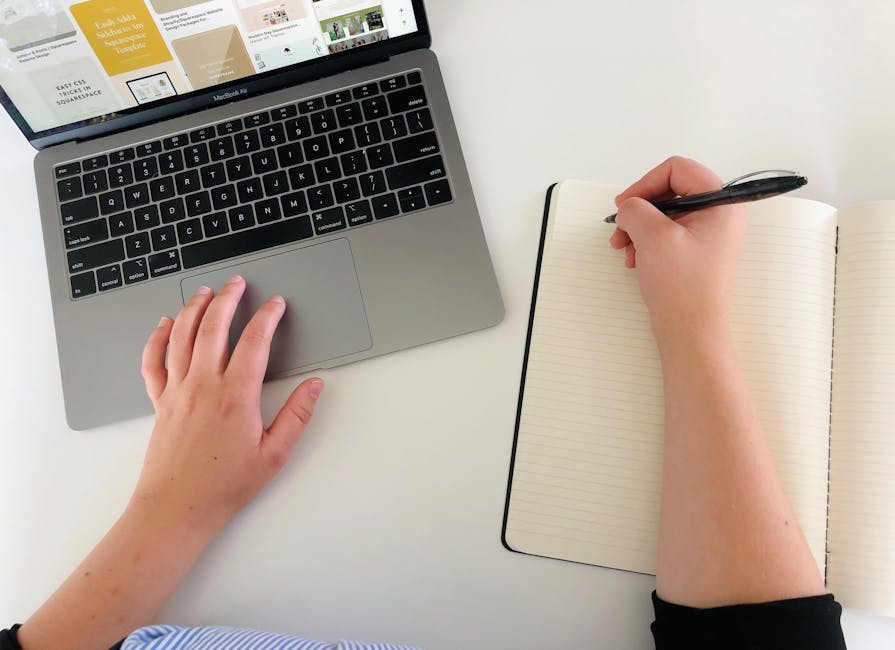
As the desk lamp casts a warm glow over scattered notes and a well-worn notebook, the clock ticks down the minutes before another obligation pulls me away. I sit down, pen in hand, ready to dive into my music practice. Yet, as I flip through pages, the first ten minutes slip away, consumed by the search for the right material. I know I should be playing, but instead, I’m lost in a tangle of notes and reminders, trying to find the last section I worked on. This routine has become all too familiar, where practice starts too broad and I end up feeling more frustrated than focused.
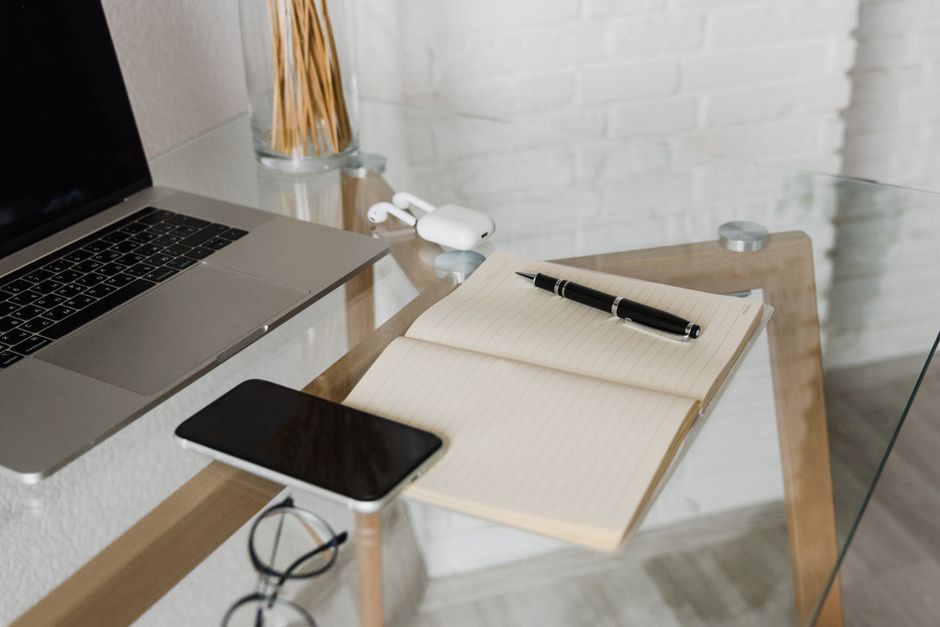
Before I even begin to play, I realize there’s a crucial step I often overlook: clearing my desk to create a dedicated space for my practice. It’s not just about tidying up; it’s about setting a clear restart marker that signals my brain it’s time to shift gears. When I don’t take a moment to organize my materials, I waste precious time and mental energy. That small adjustment can make a significant difference in how smoothly my practice session unfolds, allowing me to concentrate on specific skills rather than fumbling through disorganized notes.
The Cluttered Desk: A Common Setup Mistake
As I sit down at my desk, the soft glow of the lamp illuminates a chaotic array of notes, practice sheets, and a half-opened notebook. Each piece of paper seems to beckon for attention, yet the mere sight of the clutter makes my focus waver. I know I need to dive into my practice session, but the disarray pulls my mind in different directions. The first ten minutes often slip away as I sift through the mess, trying to locate the last section I worked on. In this moment, I realize that the simple act of clearing my desk could transform my practice routine.
Before I even pick up my instrument, I take a moment to push aside the irrelevant papers and stack my notes neatly. I place my notebook right in front of me, open to the page I intend to review. This small adjustment creates a dedicated space that signals to my brain it’s time to shift gears. By establishing this clear restart marker, I eliminate the initial distraction of searching for materials. Now, when I set my timer for a focused practice block, I can dive straight into the specific skills I want to work on, rather than wasting time on the clutter that once surrounded me.
Steps That Get Overlooked Before Practice
Returning to my desk after a long day, I often find my notes scattered across the surface, a chaotic mix of papers from previous sessions. Before I can even think about picking up my instrument, I need to tackle this disarray. Organizing my materials is a crucial first step that many adult learners overlook, yet it can significantly streamline the transition into practice. I take a moment to push aside unrelated documents and gather my notes, creating a clear space that signals my brain it’s time to focus.
Once the clutter is cleared, I open my notebook to the last page I worked on. This quick review of previous lessons is essential—it helps refresh my memory and sets the context for what I’m about to practice. I often find that skipping this step leads to confusion and wasted time; without that mental connection, I might spend precious minutes reorienting myself instead of diving into new material. By taking just a few moments to glance over my notes, I establish a solid foundation for my next practice block.
As I set my timer for a focused session, I realize that this simple act of reviewing not only saves time but also enhances my engagement with the material. It’s a small adjustment that transforms my practice from a disjointed effort into a more cohesive experience. The next time I sit down, I’ll remember that every minute spent organizing and reviewing is an investment in my learning process, reducing the chance of getting lost in the details.
The First Ten Minutes: Where Time Disappears
Settling down at my desk, I flick on the lamp, casting a warm glow over my scattered notes and the open notebook. Each evening, I find myself diving into practice sessions, but all too often, the first ten minutes vanish into thin air as I hunt for the right page or material. I might flip through several sheets, searching for the last exercise I worked on, only to realize I’ve lost focus before I’ve even started.
This initial chaos can derail my entire practice. Instead of jumping into skill practice, I’m left fumbling with my notes, which creates a frustrating bottleneck. The disorganization not only wastes time but also disrupts my mental flow. I’ve noticed that when I skip organizing my materials beforehand, I often end up stalling on the first few notes, struggling to remember where I left off or what I intended to work on next.
To counter this, I’ve begun a simple routine: before I start my practice, I clear my desk of any unnecessary items, placing only my notebook and pen within reach. I also set a timer for 25 minutes, marking a focused practice block. This small adjustment helps me establish a restart marker, allowing me to dive into my material without hesitation. By ensuring that my notes are organized and accessible, I can transform those first ten minutes from a chaotic search into a productive start, paving the way for a more cohesive practice session.
A Better Order for Your Practice Routine
This same friction shows up again in Practical Life Skills Us, especially when the day tightens unexpectedly.
When you sit down at your desk, the first thing you notice is the clutter. A half-empty coffee cup, a stack of papers, and your phone buzzing with notifications create a distracting environment. Remove everything except your notebook and pen, creating a clean space that signals it’s time to focus. This simple act helps eliminate visual distractions and sets the tone for your practice.
Next, gather your materials. Open your notebook to the last page you were working on, and take a moment to review your notes. This brief review should take no more than five minutes, allowing you to recall where you left off and what specific skills you intended to practice. To keep your session structured, set a timer for 25 minutes. This timer acts as a restart marker, indicating the beginning of focused practice. With your desk clear, materials in order, and a timer set, you’re ready to dive into your practice block without wasting those first crucial minutes searching for the right page or feeling mentally scattered.
What Changes When You Organize Your Setup
A slightly different version of this problem appears in Learning New Skills As, where the sequence changes but the hidden drag feels familiar.
Clearing your desk before diving into practice can significantly shift your focus. When you remove distractions, like old sheets of music or cluttered coffee mugs, the clean space signals your brain that it’s time to concentrate. This simple act can save you precious minutes that would otherwise slip away as you rummage through papers to find your notes.
When you sit down with your notebook open to the last page you were working on, you immediately recall your previous practice session. This familiarity allows you to jump right into skill practice without wasting time on a mental restart. For instance, if you’ve been working on a specific scale, having your notes at hand means you can quickly review your finger placements and start playing without hesitation.
Moreover, when your materials are easily accessible, you’ll notice an improvement in both the quality of your practice and your retention of the material. Instead of feeling scattered, you can focus on the nuances of your playing. As you practice, keep a timer nearby to mark your 25-minute blocks. This not only structures your session but also provides a clear endpoint to assess your progress. A well-organized setup transforms your practice from a chaotic scramble into a focused and productive session, making each minute count.
As you settle into your desk, the soft glow of your lamp illuminating your notes, take a moment to ensure everything is in its place. Clear your workspace of distractions, and lay out your notebook, pen, and any relevant sheets. This simple act of organization can prevent the first ten minutes of your session from disappearing into the chaos of searching for materials. Instead, with everything at hand, you can dive straight into your review habit.
Before you begin practicing, glance at your notes to identify the specific areas you want to focus on. This targeted approach not only streamlines your session but also helps you avoid the common pitfall of starting too broadly.